

led bathroom mirror light
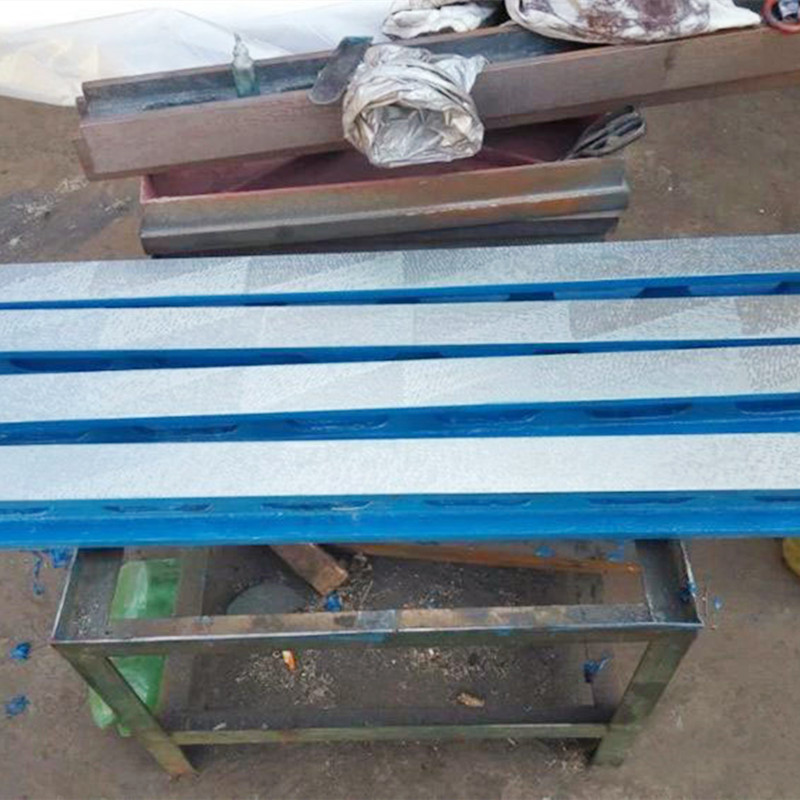
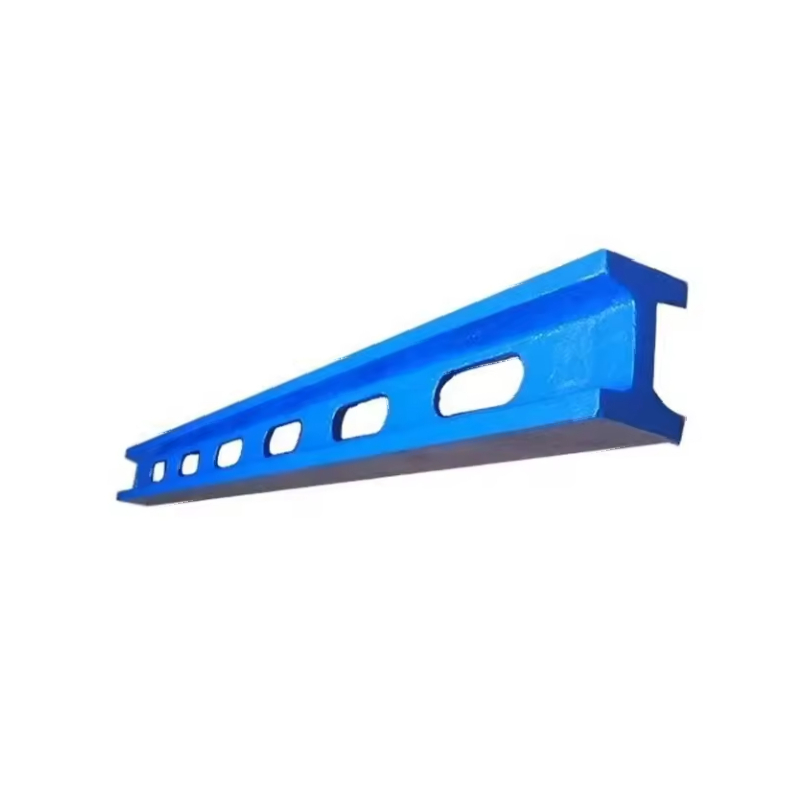
The Role of Metal V Blocks in Precision Engineering In the world of precision engineering, the importance of proper tooling and fixture solutions cannot be overstated. One such solution that has gained prominence in various industries is the metal V block. This ingenious device serves as an essential tool for holding and aligning workpieces, especially in processes such as grinding, machining, and assembly. In this article, we will explore the significance of metal V blocks, their applications, and their advantages in the manufacturing landscape. A metal V block is typically a rigid, rectangular piece of metal, featuring a V-shaped groove or channel that runs along its length. This design allows the workpiece to be securely held in place while ensuring that it is aligned correctly for machining or inspection. The versatility of the V block enables it to accommodate various shapes and sizes of materials, making it an indispensable fixture in machine shops and manufacturing environments. The Role of Metal V Blocks in Precision Engineering In addition to machining, metal V blocks are widely used for grinding operations. When grinding cylindrical or conical workpieces, maintaining consistent contact between the grinding wheel and the workpiece is essential to achieve the desired surface finish. The V block allows for easy positioning of the part at the correct angle, ensuring that the grinder can efficiently remove material while preserving the integrity of the workpiece. This not only improves the quality of the finished product but also extends the life of the grinding tools by minimizing uneven wear. metal v block Another notable application of metal V blocks is in the assembly and inspection processes. In many cases, components need to be assembled or inspected at specific angles to ensure their functionality. The V block provides a reliable and consistent platform for holding these components in place, streamlining the assembly process and allowing for accurate measurements during inspections. This is particularly beneficial in industries where precision is paramount, such as aerospace, automotive, and medical device manufacturing. One of the key advantages of using metal V blocks is their durability. Made from high-quality metals such as steel or cast iron, these blocks can withstand immense pressure and repetitive use without compromising their structural integrity. This longevity translates into cost savings for manufacturers, as they do not need to frequently replace these fixtures. Furthermore, metal V blocks can be easily customized to suit specific applications or workpiece dimensions. Many manufacturers offer V blocks in various sizes and configurations, allowing engineers and machinists to select the ideal solution for their unique requirements. Whether it be a block with multiple grooves for holding different shapes or a larger size for bulkier components, the adaptability of V blocks enhances their usability across different projects. The use of metal V blocks also promotes safety in the workplace. By securely holding workpieces during machining or inspection, they reduce the risk of accidents caused by slipping or moving parts. This contributes to a safer working environment, which is a critical consideration in any manufacturing setting. In conclusion, metal V blocks are a vital component in the realm of precision engineering and manufacturing. Their ability to provide a stable, aligned platform for machining, grinding, assembly, and inspection processes can't be understated. With numerous advantages, including durability, customization, and enhanced safety, it is no surprise that metal V blocks continue to be a preferred tool for engineers and machinists alike. As industries evolve and demand for precision manufacturing increases, the role of V blocks in facilitating high-quality production will only become more prominent, ensuring their place as an essential fixture in modern engineering practices.
about
led bathroom mirror light
Mending Plate for Wood House A Timeless Craftsmanship In the quaint countryside, surrounded by lush greenery and the gentle rustling of leaves, stands a wooden house. Its sturdy frame, crafted from the finest local wood, has withstood the test of time, providing shelter and comfort to generations. However, even the sturdiest of structures require occasional maintenance to maintain their integrity and beauty. One such essential task is mending the plates that hold the house together. The plates, also known as gusset plates, are an integral part of any wooden structure. They serve as connectors, reinforcing the joints between beams and posts, ensuring the stability and longevity of the entire framework. Over time, due to weathering, wear and tear, or simply the passage of time, these plates may become loose or damaged, posing a threat to the structural integrity of the house. Mending a plate for a wood house requires a combination of skill, patience, and attention to detail. The first step is to carefully remove the damaged plate, taking care not to further damage the surrounding wood. Once the plate is removed, the next step is to clean the area thoroughly, removing any dirt, debris, or rot that may have accumulated over time. Next, the craftsman must select a new plate that is of the same size and thickness as the original Next, the craftsman must select a new plate that is of the same size and thickness as the original Next, the craftsman must select a new plate that is of the same size and thickness as the original Next, the craftsman must select a new plate that is of the same size and thickness as the original mending plate for wood house . It is important to choose a plate made from high-quality, durable material that will match the existing wood and blend seamlessly into the structure. The new plate is then carefully shaped and fitted to the existing joints, ensuring a tight and secure fit. Once the new plate is in place, it is secured using a variety of techniques, depending on the specific requirements of the repair. This may include the use of nails, screws, or bolts, along with a generous application of wood glue to ensure a strong bond. The repaired area is then sanded smooth, and any excess glue is removed, leaving a clean and professional finish. As the sun begins to set behind the trees, casting a warm glow over the repaired wooden house, the craftsman steps back to admire his work. The repaired plate, now securely in place, provides added strength and stability to the structure, ensuring that it will continue to stand tall for many years to come. Mending a plate for a wood house is not just about repairing a physical structure; it is an act of respect and appreciation for the craftsmanship and tradition that went into its creation. It is a reminder of the importance of preserving our heritage and passing on these skills to future generations.
-

High quality industrial productsagement

High quality industrial products
View Details -

Meet the diverse needs of customers

Meet the diverse needs of customers
View Details -

Strict quality control

Strict quality control
View Details -

Top raw materials

Top raw materials
View Details -

Trusted supplier

Trusted supplier
View Details
Our application


news and information
Water Flow Control Device for Efficient Shut-Off and Regulation
Understanding Water Shut-off Valves A Comprehensive Guide Water shut-off valves are essential compon
Welding Tables Available for Purchase at Competitive Prices
welding tables for sale .
Water Gate Valve Pricing Guide for Affordable Options and Quality Choices
water gate valve price
 English